When Water Becomes Dangerous
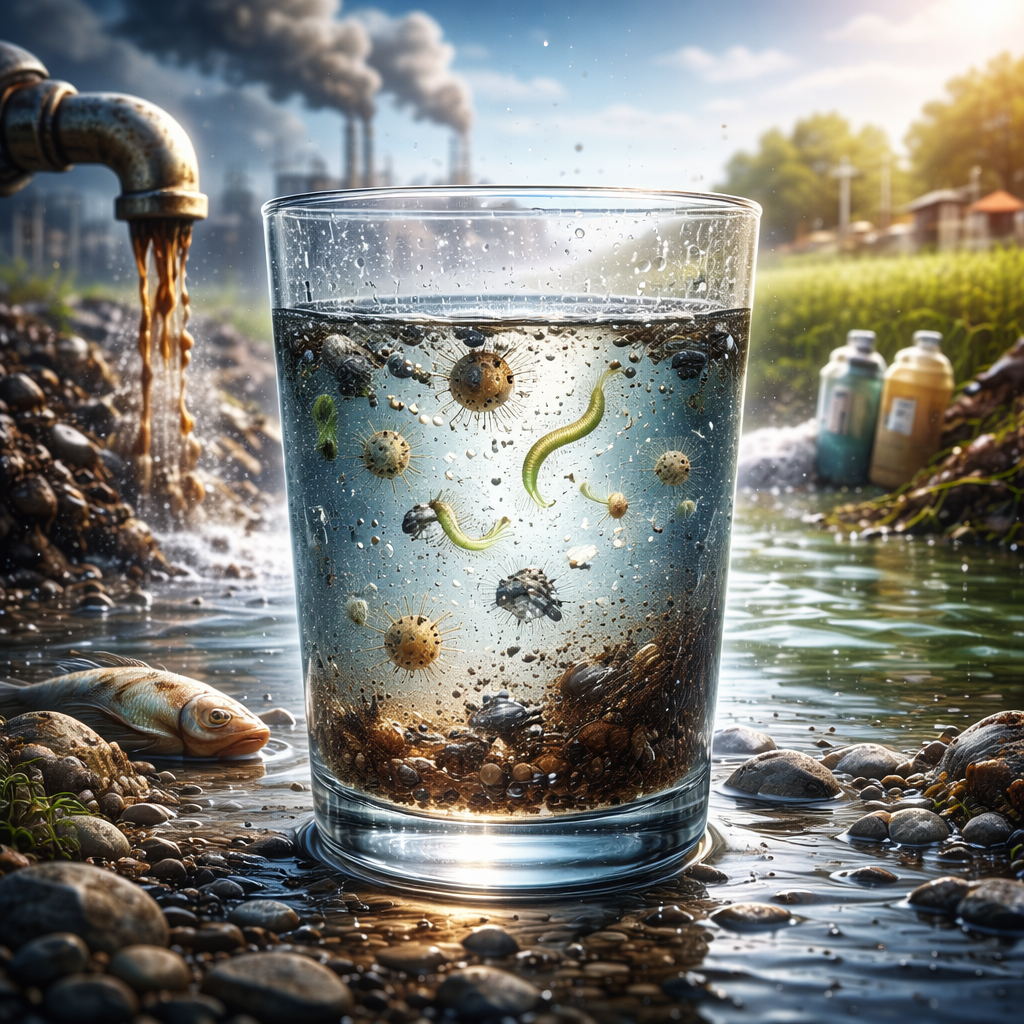
We usually think of water as the safest thing we can drink.
It is clear.
It is refreshing.
It is essential for life.
But water also has another side that people often forget.
Water can also be one of the most powerful carriers of toxins on Earth.
The same property that makes water vital to life, its ability to dissolve substances, also means it can carry things we do not want inside our bodies. In some situations those things can be dangerous.
Water Dissolves Almost Everything
Water is often called the universal solvent.
That phrase is not just poetic. Chemically speaking, water is extremely good at dissolving minerals, metals, gases, and organic compounds. As water moves through soil, rock, pipes, and natural environments, it picks up traces of whatever it touches.
This is why rivers carry minerals from mountains to oceans. It is also why groundwater sometimes contains substances that were never intentionally added to it.
In many places drinking water contains small amounts of naturally occurring elements such as calcium, magnesium, and iron. These are usually harmless and sometimes beneficial.
But water can also dissolve substances that are not so friendly.
Invisible Contaminants
Some of the most concerning contaminants in water are completely invisible.
Heavy metals such as lead, arsenic, and mercury can enter water supplies through natural deposits or aging infrastructure. Industrial chemicals can seep into groundwater. Agricultural runoff can carry pesticides and fertilizers into wells and rivers.
There are also biological contaminants.
Bacteria, parasites, and viruses can spread through water when sanitation systems fail or when flooding contaminates drinking sources.
Throughout history waterborne diseases have caused some of the most devastating outbreaks humanity has experienced.
The Long Journey to Your Tap
Even when municipal treatment plants do their job well, water still has to travel through miles of infrastructure before reaching a home.
Some pipes are decades old. In certain cities they may even be more than a century old. Along that journey water can pick up metals or sediment from the plumbing itself.
This is one reason many communities encourage regular water quality testing. What leaves a treatment facility is not always exactly what arrives at a household tap.
Why Personal Water Awareness Matters
Most people assume that if water looks clear it must be safe.
Clarity tells us very little about what is actually dissolved in the liquid. Many harmful substances are colorless and tasteless at low concentrations.
This does not mean drinking water is generally unsafe. In many parts of the world public water systems are carefully monitored and regulated.
But it does mean awareness matters.
Testing water periodically, understanding local water quality reports, and using filtration or purification systems when appropriate can provide an additional layer of protection.
A Simple Habit With Big Impact
Water sustains life. Yet it also carries whatever the environment gives it.
Because of that, thinking intentionally about water quality is one of the simplest ways to protect long term health.
Filtering drinking water, purifying water during travel or outdoor activities, and staying informed about local water conditions are small steps that can make a meaningful difference.
Water is essential.
Making sure it is clean and safe is just as important.