The Oldest Water on Earth
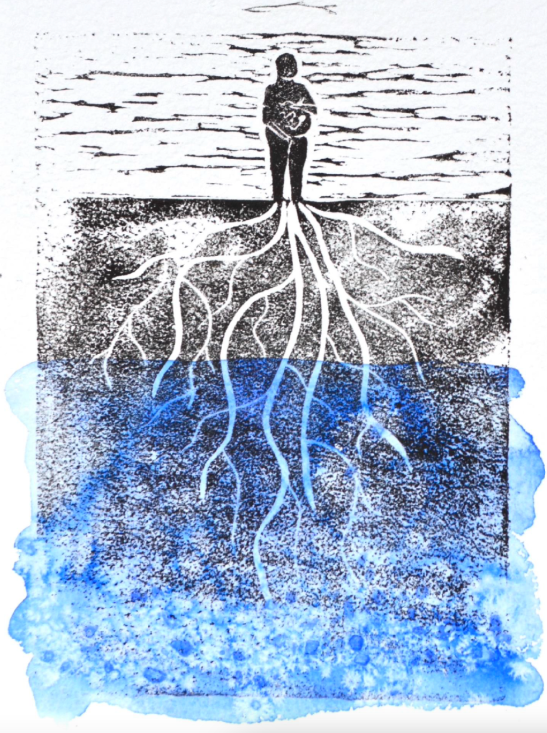
The glass of water you drink today may be far older than you think.
Not just a few years old.
Not even a few centuries.
Some of the water molecules moving through rivers, lakes, and underground aquifers today have been part of Earth’s water cycle for millions of years.
In fact, scientists have discovered water trapped deep underground that may have been isolated for over two billion years.
This raises a remarkable possibility.
The water we drink is not new. It is ancient.
A Planet That Recycles Water
Unlike many substances that are used once and discarded, water on Earth moves in a continuous loop.
It evaporates from oceans and lakes.
It condenses into clouds.
It falls as rain or snow.
It seeps into soil and rock.
It flows through rivers back to the sea.
This process is called the water cycle, and it has been running for as long as Earth has had oceans.
Because of this cycle, the amount of water on Earth remains almost constant over long periods of time. The same molecules simply move through different environments.
The rain that falls today may have once been ocean water thousands of years ago. That ocean water may have once been trapped inside a glacier. Before that it might have flowed through a river valley or underground aquifer.
Water is always moving.
But it is also very old.
Water Trapped for Billions of Years
In recent decades, scientists studying deep mines in Canada discovered pockets of water trapped several kilometers beneath the surface.
By analyzing dissolved gases and isotopes, researchers concluded that some of this water had been isolated for over two billion years.
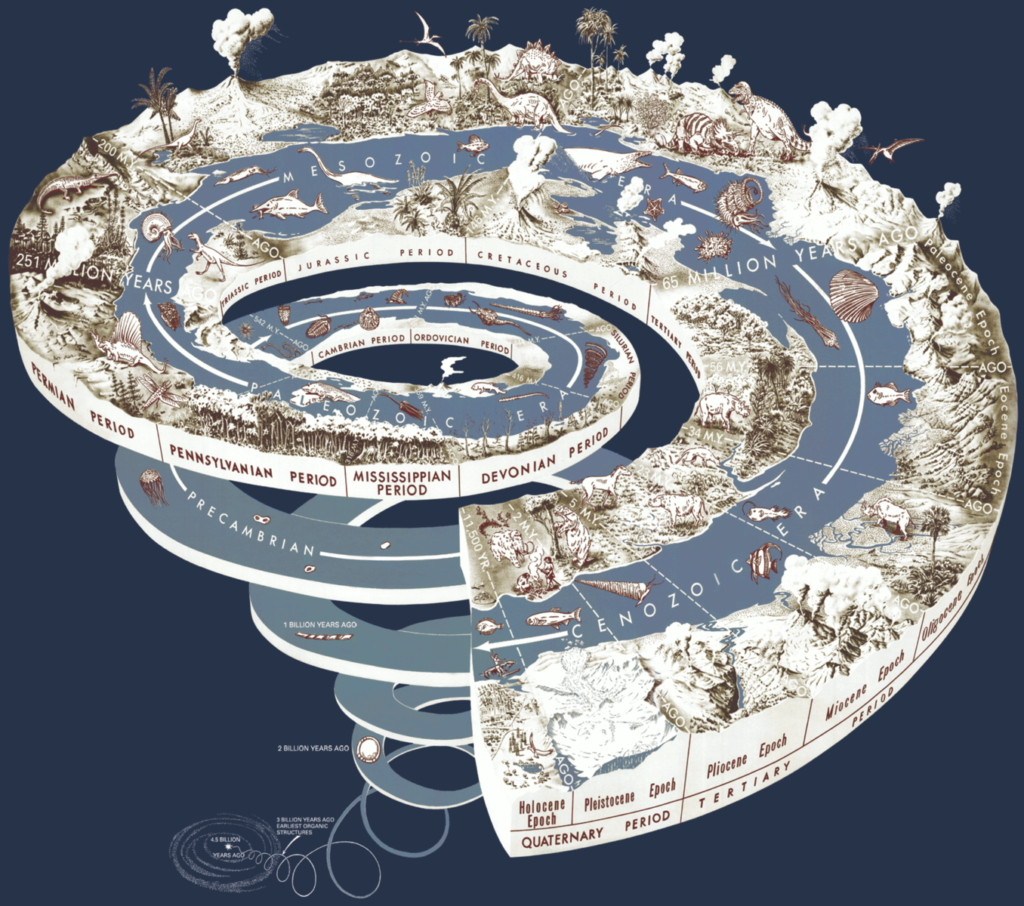
That means this water has been underground since long before complex life appeared on Earth.
When samples were examined, something even more surprising emerged. The water contained microbial life forms that had survived in isolation for unimaginable spans of time.
Life had persisted in darkness, deep underground, nourished by chemical reactions in the surrounding rock.
A Journey Through Time
Even the water that flows through our daily lives has often taken long journeys.
A drop of rain might fall onto a mountain slope, seep into the soil, and slowly migrate through layers of rock for decades before emerging in a spring.
Some groundwater moves only a few feet per year. In certain aquifers, the water being pumped today may have entered the ground hundreds or even thousands of years ago.
When you turn on a faucet, the water may have traveled through an underground system that began long before modern cities existed.
A Shared Resource
The ancient nature of water reveals something profound.
The water we drink today has almost certainly been part of countless other systems before reaching us.
It may have flowed through forests, glaciers, rivers, animals, and oceans. It may have nourished plants or moved through the bodies of other living creatures.
Water connects every part of the planet.
It is one of the few substances that truly circulates through all of Earth’s systems.
The Responsibility That Comes With It
When we recognize how ancient and interconnected water really is, it changes the way we think about it.
The water we use today will not disappear tomorrow. It will continue its journey through the environment, eventually becoming part of someone else’s water supply, somewhere else on the planet.
In that sense, water is not something we simply consume.
It is something we borrow from the Earth’s long cycle.
And that makes caring for its quality not just a practical concern, but a responsibility shared across generations.