Water Quality Matters
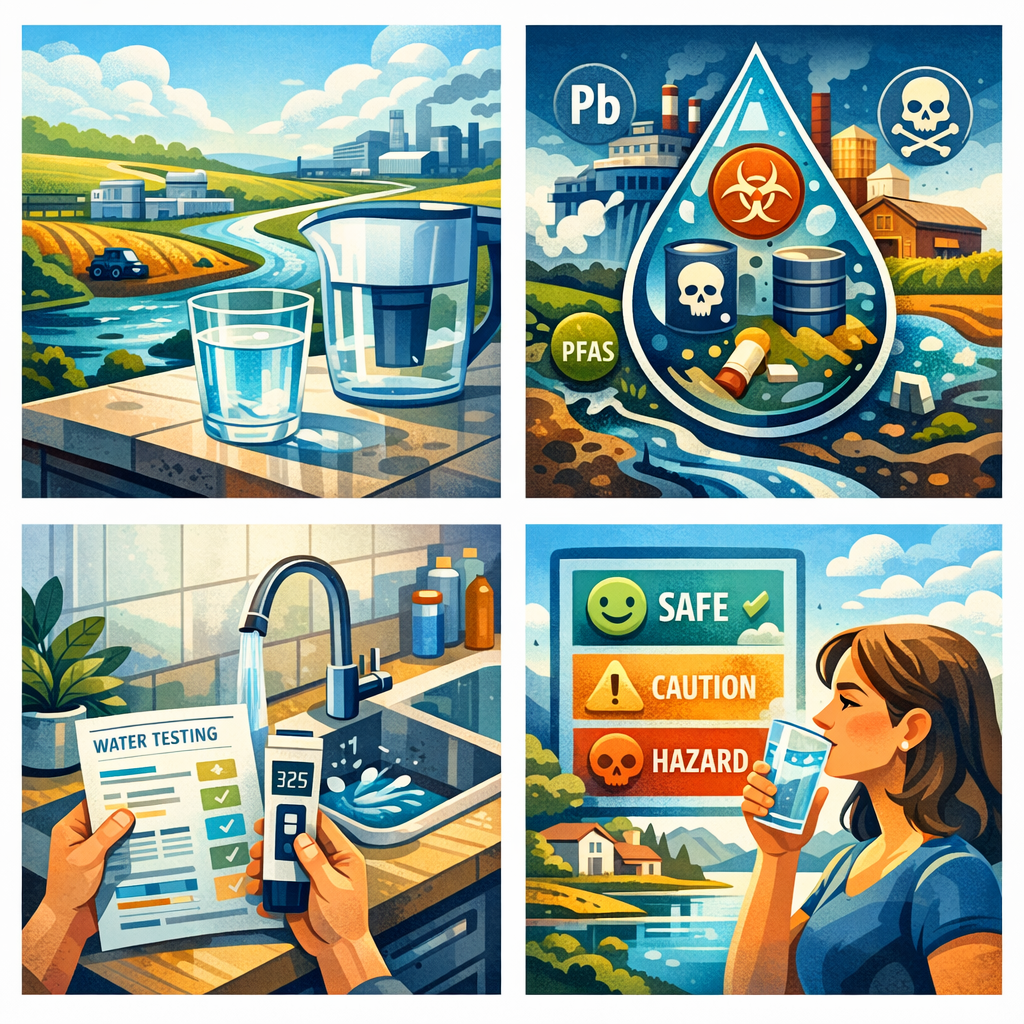
Water is the most fundamental substance in human life. The human body is composed of roughly sixty percent water, and nearly every biological process depends on it. Water regulates temperature, carries nutrients, removes metabolic waste, supports cellular communication, and maintains the structure of tissues and organs. Because of this, the quality of the water we drink has direct consequences for long-term health.
In modern cities many people assume that tap water is automatically safe. Municipal treatment plants do an important job removing pathogens and large contaminants, and public water systems in the United States are subject to regulatory standards. However, those standards focus on minimum safety thresholds, not on achieving optimal purity. In addition, the infrastructure that carries water from treatment facilities to homes can introduce additional issues along the way.
The Journey of Drinking Water
Before water reaches a kitchen faucet it passes through a long chain of systems. It may originate from a river, reservoir, aquifer, or lake. From there it travels through treatment plants where disinfectants such as chlorine or chloramine are added to control microbial growth. The water then moves through miles of pipes before finally entering residential plumbing.
At each stage new variables can appear. Agricultural runoff may introduce nitrates or pesticides. Industrial activity can introduce heavy metals or synthetic chemicals. Older distribution pipes can contribute lead or copper. Even household plumbing fixtures can affect water chemistry.
This means that water quality is not a single fixed property determined at the treatment plant. It is a dynamic system influenced by environment, infrastructure, and time.
Contaminants That Commonly Appear in Drinking Water
Water quality reports often contain dozens of measurements. Some of the most frequently discussed categories include:
Heavy metals
Lead, arsenic, and mercury are among the most concerning contaminants because they can accumulate in the body over time. Lead exposure in particular has been associated with neurological and developmental effects.
Disinfection byproducts
When chlorine or similar disinfectants react with organic material in water, compounds such as trihalomethanes may form. These substances are regulated but are still commonly detected at low concentrations.
Industrial chemicals
Compounds such as PFAS, sometimes called “forever chemicals,” persist in the environment and can enter drinking water supplies through industrial processes or landfill runoff.
Agricultural runoff
Nitrates and pesticides can enter groundwater through farming activity. High nitrate levels are a particular concern for infants.
Microbial contamination
Bacteria and protozoa are typically controlled by treatment processes, but failures in infrastructure or flooding events can introduce biological contamination.
Each contaminant category has different measurement methods and regulatory limits, which is why water quality data can be difficult for consumers to interpret.
Why Personal Awareness Matters
Public water utilities publish annual water quality reports, yet many households never review them. Even when the reports are available, they are often technical and difficult to interpret without background knowledge.
Understanding water quality at the household level can help people make informed decisions about filtration systems, testing kits, or treatment technologies. Some homes may benefit from simple carbon filtration, while others may require reverse osmosis or distillation depending on the contaminants present.
The key point is that water quality is local. Two houses in the same city can have different readings because of differences in plumbing materials, pipe age, or neighborhood infrastructure.
The Role of Measurement
Reliable measurement is the foundation of improving water quality. Without data it is difficult to determine whether a problem exists or which solution is appropriate.
Water analysis can involve laboratory testing, municipal reporting data, or household testing kits. Each method provides a different level of detail. The most useful systems combine multiple sources of information to provide a clear picture of the water entering a home.
When measurements are translated into understandable scores or indicators, consumers can quickly see whether their water falls within safe ranges or whether additional treatment might be beneficial.
Water and Long-Term Health
Hydration is essential for daily health, but water quality also plays a role in long-term wellbeing. Chronic exposure to certain contaminants has been studied in relation to cardiovascular health, neurological function, and immune response.
For this reason many people are beginning to treat water quality with the same attention given to air quality or food sourcing. Clean water is not simply a convenience. It is a foundational component of health and environmental stewardship.
A Practical Approach
Improving water quality does not always require complex solutions. In many cases the process begins with awareness.
- Review the local water quality report for your area.
- Understand which contaminants are commonly measured.
- Consider testing water at the household level.
- Choose filtration or purification methods appropriate for the contaminants present.
When people understand their water, they gain the ability to improve it.
Clean water is one of the most powerful health investments available. It supports every cell in the body and every system in the home. Paying attention to water quality is not simply a technical issue. It is a practical step toward a healthier environment and a healthier life.